

Understanding Qoghundos and Its Ingredients
Qoghundos is a traditional herbal preparation with origins traced back to various regions of Central Asia. Its purpose is primarily medicinal, designed to offer a plethora of health benefits through its natural constituents. Commonly utilized in different forms, such as powders or infusions, qoghundos aims to enhance overall well-being and provide remedies for a range of ailments.
The formulation of qoghundos varies by locality and cultural practices, yet several core ingredients remain consistent across different iterations. Prominently featured in qoghundos are herbs and plant extracts known for their therapeutic properties. For instance, one key ingredient often found in qoghundos is ginseng, renowned for its ability to boost energy levels and enhance cognitive function. Ginseng’s adaptogenic qualities help the body resist stress, making it a valuable addition.
Another frequently included ingredient is licorice root, which is celebrated for its anti-inflammatory properties. Licorice can soothe digestive issues and alleviate respiratory problems, thereby enhancing the overall efficacy of qoghundos. Additionally, the presence of certain vitamins and minerals in qoghundos’ ingredients contributes to a holistic approach to health maintenance.
Some formulations may also contain turmeric, a spice recognized for its antioxidant and anti-inflammatory benefits. This compound plays a significant role in reducing the risk of chronic diseases, thereby contributing positively to health when included in qoghundos.
While the ingredients in qoghundos offer notable health advantages, it is essential to approach their consumption with caution. Some individuals may experience adverse effects, particularly if they have pre-existing medical conditions or are on specific medications. Always consult a healthcare professional before integrating qoghundos into one’s dietary regimen to ensure safety and effectiveness.
Nutritional Analysis of Qoghundos Ingredients
The examination of the ingredients in qoghundos reveals a diverse nutritional profile that plays a pivotal role in overall health. The primary macronutrients found in qoghundos are carbohydrates, proteins, and fats, with a balanced composition that can contribute to energy levels and metabolic functions. Carbohydrates, predominantly sourced from grains or legumes, provide essential energy and are often rich in fiber, promoting digestive health.
Regarding the protein content, qoghundos may include ingredients such as legumes, nuts, or seeds, which not only serve as a source of amino acids but also contribute healthy fats to the mix. These proteins are particularly beneficial for repairing muscle tissues and supporting various bodily functions. The fats contained in these ingredients are mostly healthy unsaturated fats, which can promote cardiovascular health when consumed in moderation.
On a micronutrient level, qoghundos typically includes a variety of vitamins and minerals which are essential for various bodily functions. Ingredients commonly used may provide significant amounts of vitamin E, magnesium, and iron, among others. Vitamin E is an antioxidant that protects cells from oxidative damage, while magnesium plays a vital role in muscle and nerve function, as well as in energy production. Iron is crucial for oxygen transport in the blood, and its presence is particularly important in supporting stamina and reducing fatigue.
However, the benefits of the ingredients in qoghundos can vary widely based on their quality and sourcing. Organic or locally sourced ingredients generally retain more nutrients and fewer additives, enhancing their health benefits. Conversely, low-quality ingredients might compromise nutritional value and health advantages. Therefore, it is essential to assess the specific ingredients in qoghundos to understand their overall nutritional impact and to ensure that the health benefits attributed to these ingredients are realized.
Comparative Benefits: Qoghundos vs. Alternatives
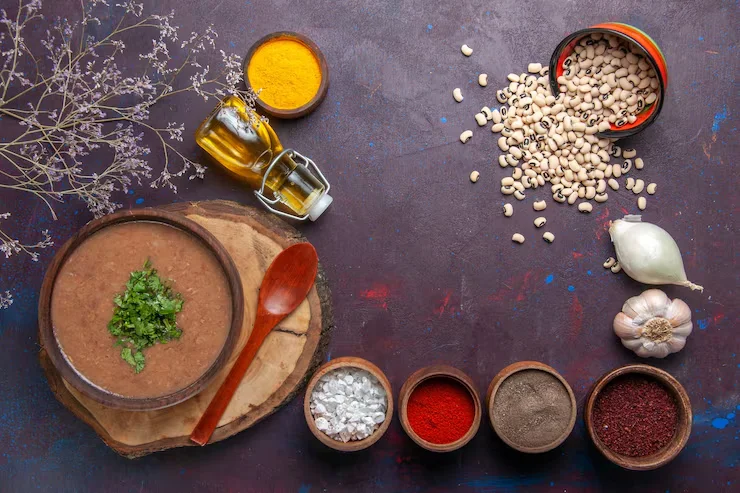
When examining the ingredients in qoghundos, it is essential to compare them with those found in similar products or traditional alternatives. Qoghundos, a unique blend of ingredients, aims to provide a balance of taste and health benefits. In contrast, not all alternatives offer the same advantages, making this comparison crucial for consumers seeking healthy dietary options.
One primary advantage of qoghundos lies in its ingredient profile, which typically includes whole grains, seeds, and spices. These components are often high in fiber and essential nutrients. When we compare this with alternatives such as processed snacks, the latter usually contain artificial preservatives and additives, which can detract from their nutritional value. Moreover, traditional products, such as baked goods made from refined flour, may lack the wholesome benefits found in qoghundos.
In terms of taste, qoghundos offers a distinct flavor profile due to the unique combination of its ingredients. Many consumers find the savory and slightly spicy flavors appealing. Comparatively, alternatives such as a typical granola or carbohydrate-rich items may not provide the same level of complexity or health benefits. While some alternatives may be fortified with vitamins, the base ingredients often negate these benefits, resulting in a product that lacks substantial nutritional value.
However, it is important to consider some potential downsides. Individuals with specific dietary restrictions may find the ingredients in qoghundos not suitable for them. In such cases, suitable alternatives might provide a more tailored approach. Ultimately, understanding whether the ingredients in qoghundos are good for you involves careful consideration of your dietary needs, preferences, and the overall health impacts of both qoghundos and its alternatives.
Conclusion: Are Ingredients in Qoghundos Good?
As we evaluate the question, “is ingredients in qoghundos good?“, it is essential to consider the variety of components that make up this intriguing dish. The primary ingredients include a rich array of spices, grains, and proteins, each contributing unique health benefits. For instance, the spices often found in qoghundos are known for their anti-inflammatory and antioxidant properties, which could support overall well-being.
Moreover, incorporating whole grains into one’s diet can lead to improved digestion, sustained energy levels, and better heart health. The use of lean proteins in qoghundos can further enhance its value, providing essential amino acids necessary for muscle repair and growth. Given these components, it is evident that many ingredients typically found in qoghundos can be regarded as beneficial, especially when consumed as part of a balanced diet.
However, it is critical to recognize individual health goals and dietary requirements. Not all ingredient combinations may be suitable for every person. Factors such as allergies, intolerances, and personal health objectives should be taken into account. Therefore, while the ingredients in qoghundos may present health advantages, one must assess whether they align with personal nutrition needs.
Ultimately, the decision to include qoghundos in your diet should be guided by a thoughtful consideration of its ingredients and your individual health circumstances. By doing so, you can make a more informed choice regarding whether qoghundos truly fits your dietary lifestyle.